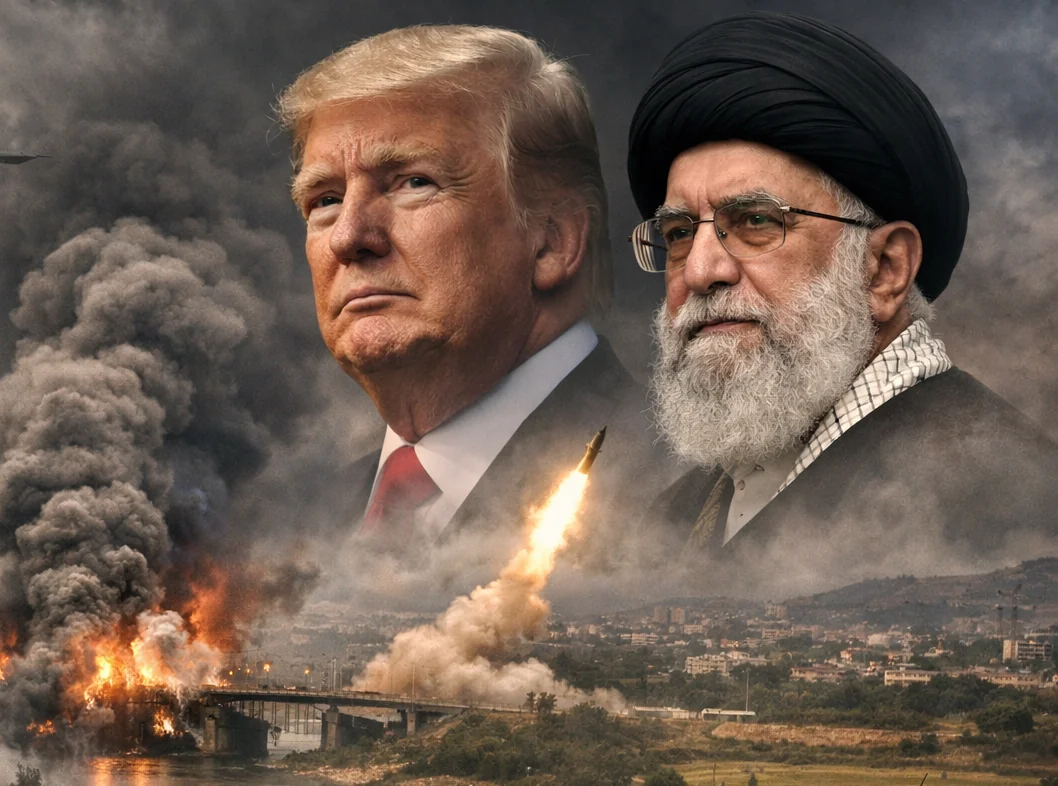
Trump Signals Possible Opening in Iran Conflict as Tehran Pushes Back
A fragile diplomatic opening appeared to emerge on Monday in the deepening US-Israel-Iran war, after U.S. President Donald Trump claimed that Washington and Tehran had made progress in behind-the-scenes contacts aimed at easing hostilities across the Middle East.
Speaking to reporters, Trump said the United States had held what he described as “very good and productive conversations” with Iran and suggested that both sides had identified “major points of agreement” toward what he called a possible “complete and total resolution” of the conflict.
The remarks injected a note of uncertainty, and perhaps a sliver of hope, into a war that has already left thousands dead and shaken the region’s security, energy markets and diplomatic balance.
But Iran quickly cast doubt on Trump’s version of events. While the U.S. president portrayed the talks as a meaningful breakthrough, Tehran did not confirm that direct dialogue had taken place.
Iran’s Mehr news agency denied that any such discussions had happened, reinforcing the gap between Washington’s messaging and the Iranian position.
Trump also said he was delaying potential U.S. strikes on Iran’s power infrastructure for five days, arguing that the pause was necessary because of the ongoing conversations. That announcement appeared to calm markets almost immediately, with oil prices easing after fears of a wider energy shock had sent global anxiety soaring.
Still, the mood in Tehran remained defiant. Iranian officials suggested the delay was less about diplomacy and more about giving Washington room to manage energy prices and reposition militarily.
The Iranian side has warned that any major attack on its infrastructure could trigger broader retaliation, including threats to regional energy routes and strategic targets.
The war’s human cost continues to mount. Reports indicate that more than 2,000 people have died as the fighting enters its fourth week. The dead include civilians in Iran, Lebanon and Israel, along with U.S. service members caught in the expanding crisis.
At the same time, the military rhetoric has not disappeared. Iranian commanders have continued issuing sharp warnings to Washington, while Trump has repeated his insistence that Iran must never obtain nuclear weapons.
He claimed that recent American strikes had prevented Tehran from moving closer to that goal, though such assertions remain politically charged and highly contested.
What is striking in this moment is the contradiction at the heart of the crisis. On one hand, the language of war remains loud, theatrical and dangerous. On the other, both sides appear unwilling to close the door completely on negotiation.
Trump says a deal is possible. Iran says the U.S. narrative is misleading. Between those two positions lies a region still under fire, still grieving, and still unsure whether it is moving toward peace or simply pausing before another escalation.
For now, the conflict remains volatile. The promises of diplomacy are tentative, the denials are sharp, and the death toll continues to rise. In the Middle East, even talk of agreement now comes wrapped in suspicion.
No comments on this post yet. Be the first!